Independent gemstone education · We sell nothing
Gemstone InvestorsIndependent gemstone education

Reference guide

Birthstones by month

Twelve months, twenty-one stones. For each one: what it looks like, how tough it is, where its legends come from, and what really decides its value.

Based on the modern birthstone list used by the US jewelry trade · Facts checked against GIA · Updated November 2026

At a glance

MonthBirthstonesMohs hardness
JanuaryGarnet6.5–7.5
FebruaryAmethyst7
MarchAquamarine, Bloodstone7.5–8 / 6.5–7
AprilDiamond10
MayEmerald7.5–8
JunePearl, Moonstone, Alexandrite2.5–4.5 / 6–6.5 / 8.5
JulyRuby9
AugustPeridot, Spinel, Sardonyx6.5–7 / 8 / 6.5–7
SeptemberSapphire9
OctoberOpal, Tourmaline5.5–6.5 / 7–7.5
NovemberTopaz, Citrine8 / 7
DecemberTurquoise, Zircon, Tanzanite5–6 / 6–7.5 / 6–7
01

January

Birthstone: Garnet

Source: GIA
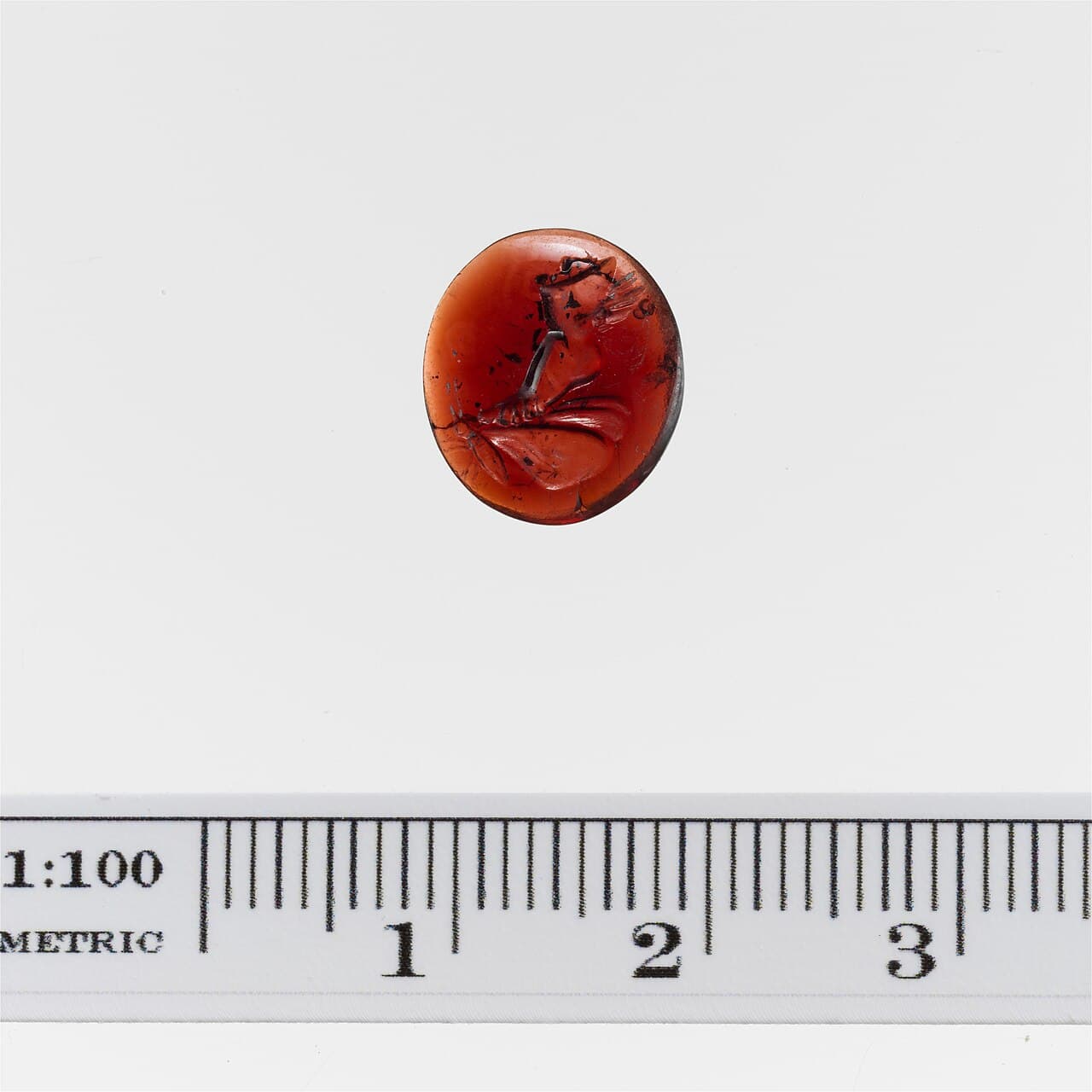
Garnet: Garnet (pyrope) ring stone MET DP143771
Photo: The Metropolitan Museum of Art / Wikimedia Commons, CC0

Garnet

Colors
Usually deep red; also orange, green and purplish red
Mohs hardness
6.5–7.5
Care
Fine for most jewelry; avoid hard knocks.

History & lore

The name is usually traced to the Latin granatum, pomegranate, whose seeds red garnet crystals resemble. Red garnets were set in jewelry in the ancient world and were a favourite of Victorian jewelers.

Value perspective

Everyday red garnet is affordable. Rare varieties such as green tsavorite and demantoid, and vivid orange spessartine, sell for far more. Color, clarity and size drive value.
02

February

Birthstone: Amethyst

Source: GIA
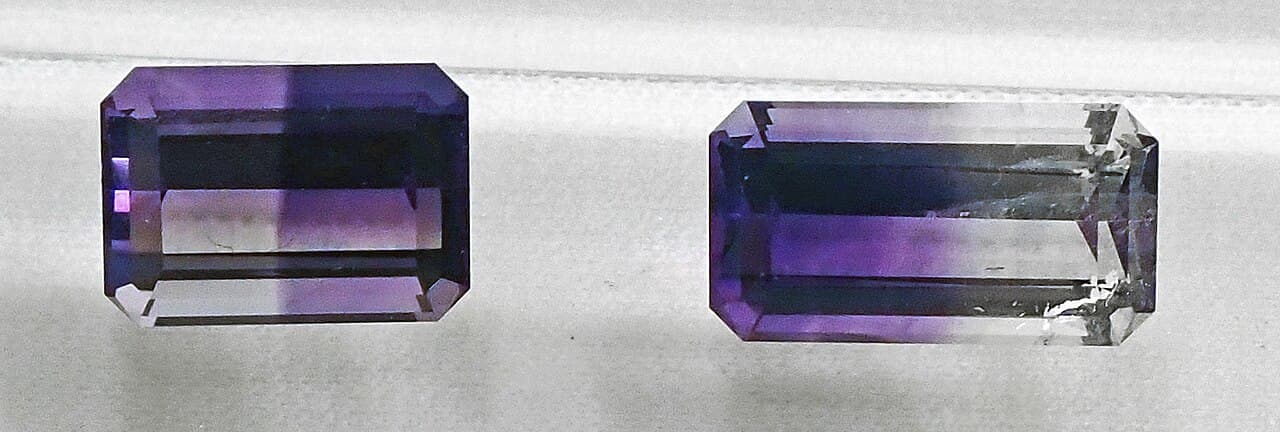
Amethyst: Amethyst (faceted) (Sebago Pluton, Early Permian, ~293 Ma; Deer Hill,
Photo: James St. John / Wikimedia Commons, CC BY 2.0

Amethyst

Colors
Light lilac to deep royal purple
Mohs hardness
7
Care
Durable; long strong sunlight can fade some stones.

History & lore

The ancient Greek amethystos means “not intoxicated”, and the stone was thought to protect against drunkenness. Amethyst was once as costly as ruby, until large deposits were found in Brazil in the 19th century.

Value perspective

Plentiful supply keeps prices modest. Deep, even purple with flashes of red is valued most; visible color zoning lowers value.

03

March

Birthstones: Aquamarine, Bloodstone

Source: GIA
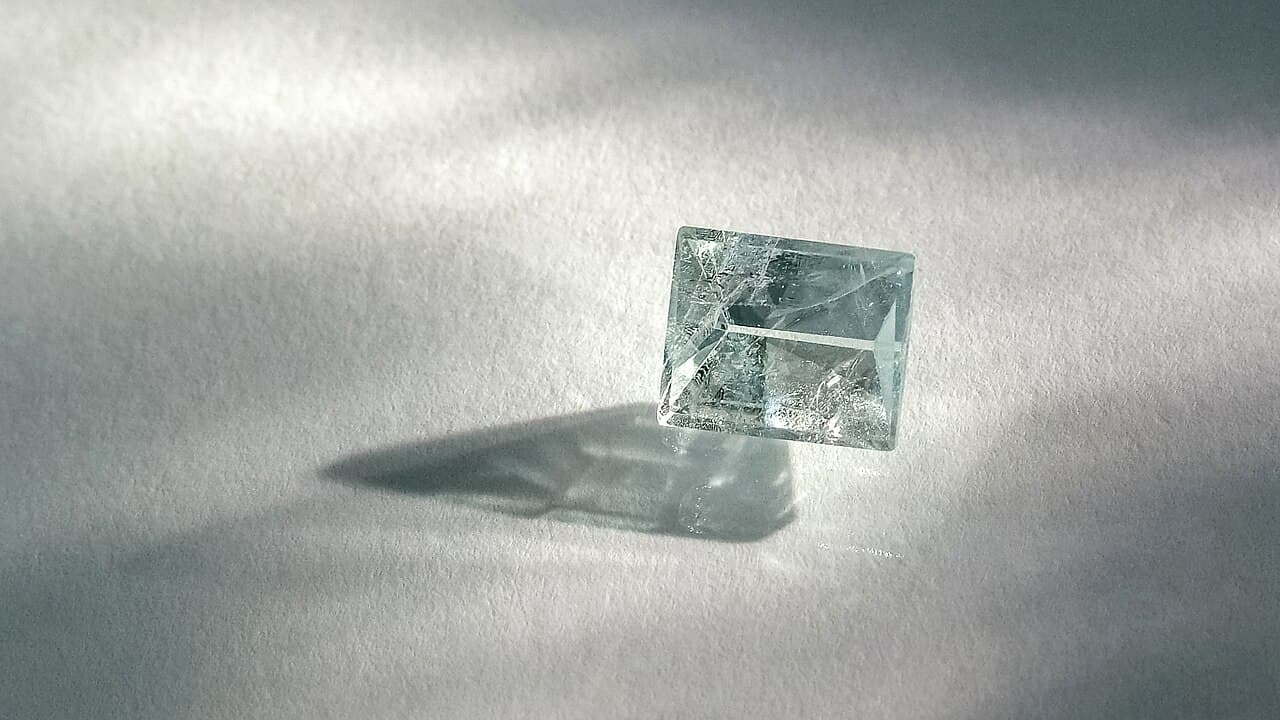
Aquamarine: Fancy cut aquamarine 2
Photo: W.carter / Wikimedia Commons, CC BY-SA 4.0

Aquamarine

Colors
Pale to deep sky blue, often slightly greenish
Mohs hardness
7.5–8
Care
Good for everyday wear.

History & lore

The name means “water of the sea” in Latin, and sailors were said to carry it as a charm for safe voyages.

Value perspective

Most aquamarine is gently heated to remove green and leave pure blue, which is routine and stable. Large, clean stones with intense blue are the most valuable.

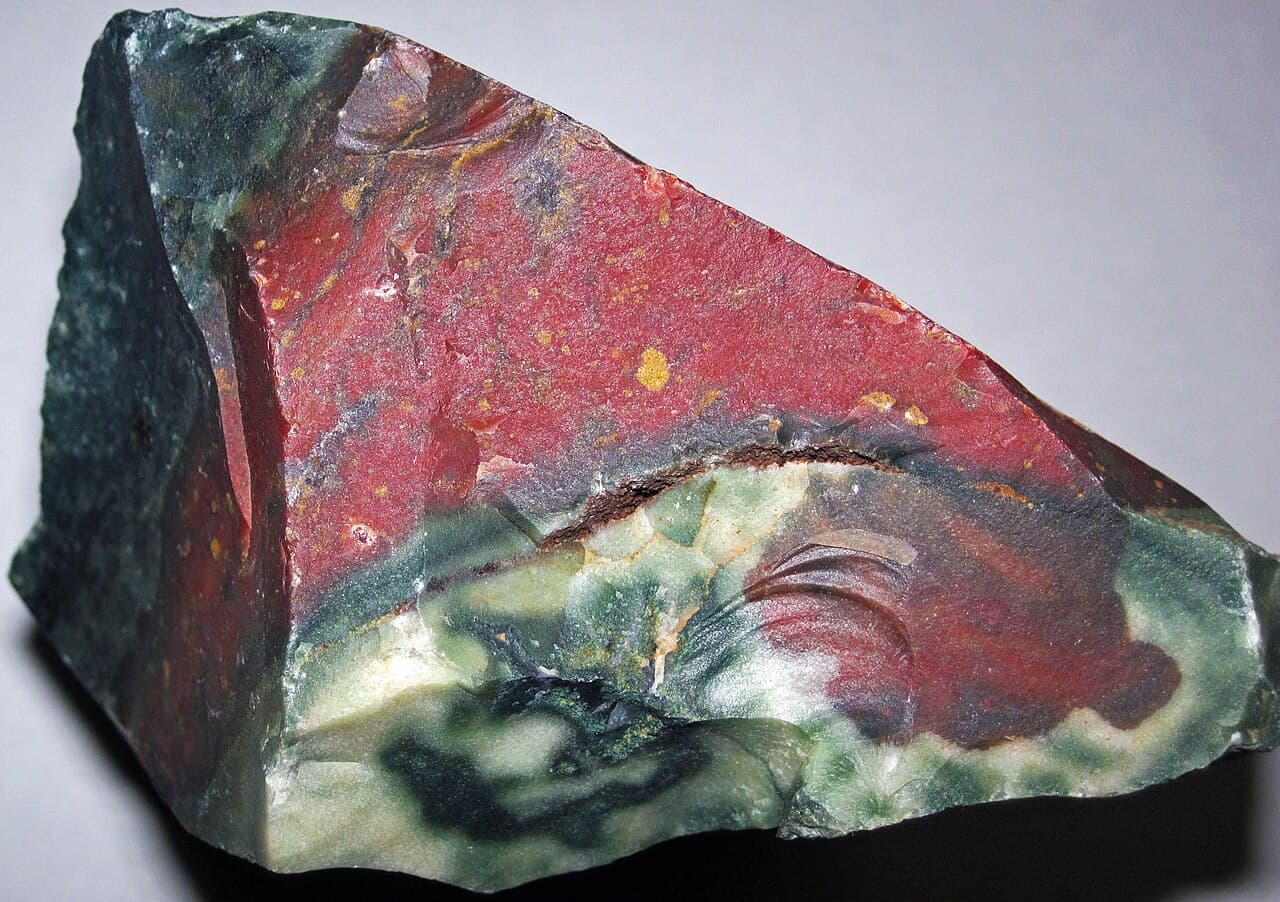
Bloodstone: Bloodstone 7
Photo: James St. John / Wikimedia Commons, CC BY 2.0

Bloodstone

Colors
Dark green chalcedony flecked with red
Mohs hardness
6.5–7
Care
Durable; clean with warm soapy water.

History & lore

Medieval Christians believed the red spots were drops of blood, which gave the stone its name. It was carved into seals and religious objects.

Value perspective

Bloodstone is inexpensive. Value mostly comes from craftsmanship, such as fine carvings and signet rings.

04

April

Birthstone: Diamond

Source: GIA
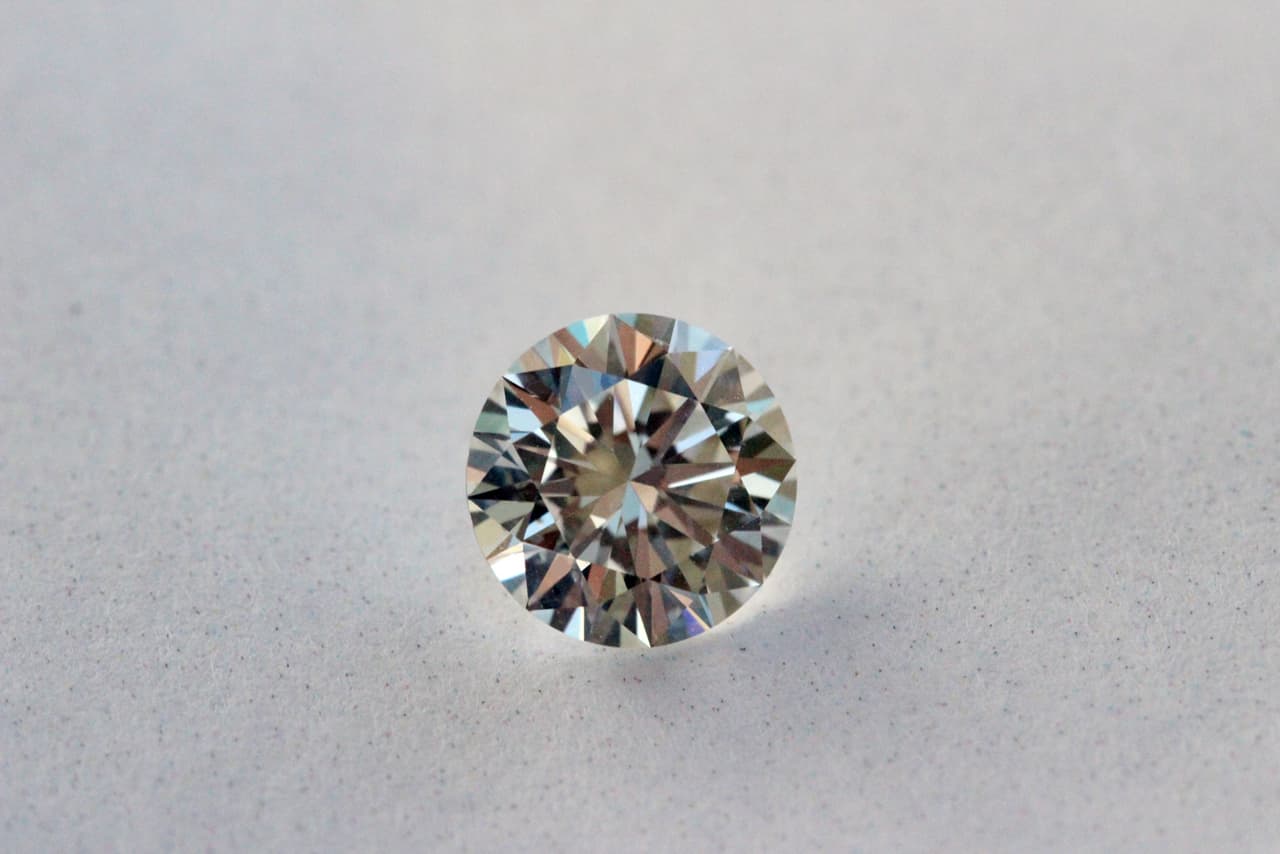
Diamond: Round Brilliant Cut Diamond
Photo: Petragems / Wikimedia Commons, CC BY-SA 4.0

Diamond

Colors
Colorless to yellow and brown; rare “fancy” colors
Mohs hardness
10
Care
Hardest gem, but a sharp knock can still chip it.

History & lore

The word comes from the Greek adamas, “unconquerable”. Diamonds were mined in India for centuries before major finds in Brazil and, in the 1870s, South Africa.

Value perspective

Priced by the 4Cs: color, clarity, cut and carat weight. Resale of typical retail diamonds is often well below the purchase price, and lab-grown diamonds have reshaped the market, so a grading report and clear disclosure matter.

05

May

Birthstone: Emerald

Source: GIA
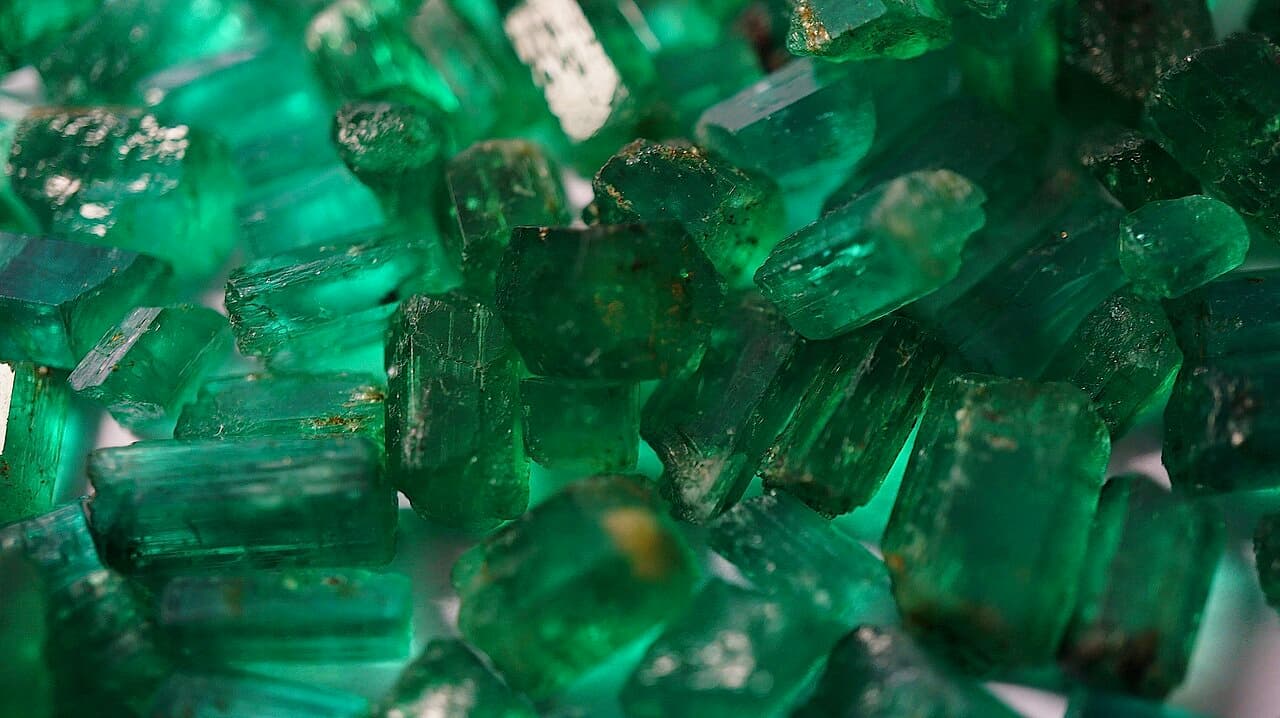
Emerald: Rough emerald crystals from Panjshir Valley Afghanistan
Photo: Paweł Maliszczak [hardleo.com] / Wikimedia Commons, CC BY-SA 4.0

Emerald

Colors
Green to bluish green
Mohs hardness
7.5–8
Care
Often has inclusions; avoid ultrasonic cleaners and heat.

History & lore

Emeralds were mined in ancient Egypt, and Colombian emeralds became famous worldwide after the Spanish arrived in the 16th century.

Value perspective

Most emeralds are clarity enhanced with oils or resins, which should be disclosed. Color matters most, and the degree of enhancement and the origin shown on a lab report can change the price sharply.

06

June

Birthstones: Pearl, Moonstone, Alexandrite

Source: GIA
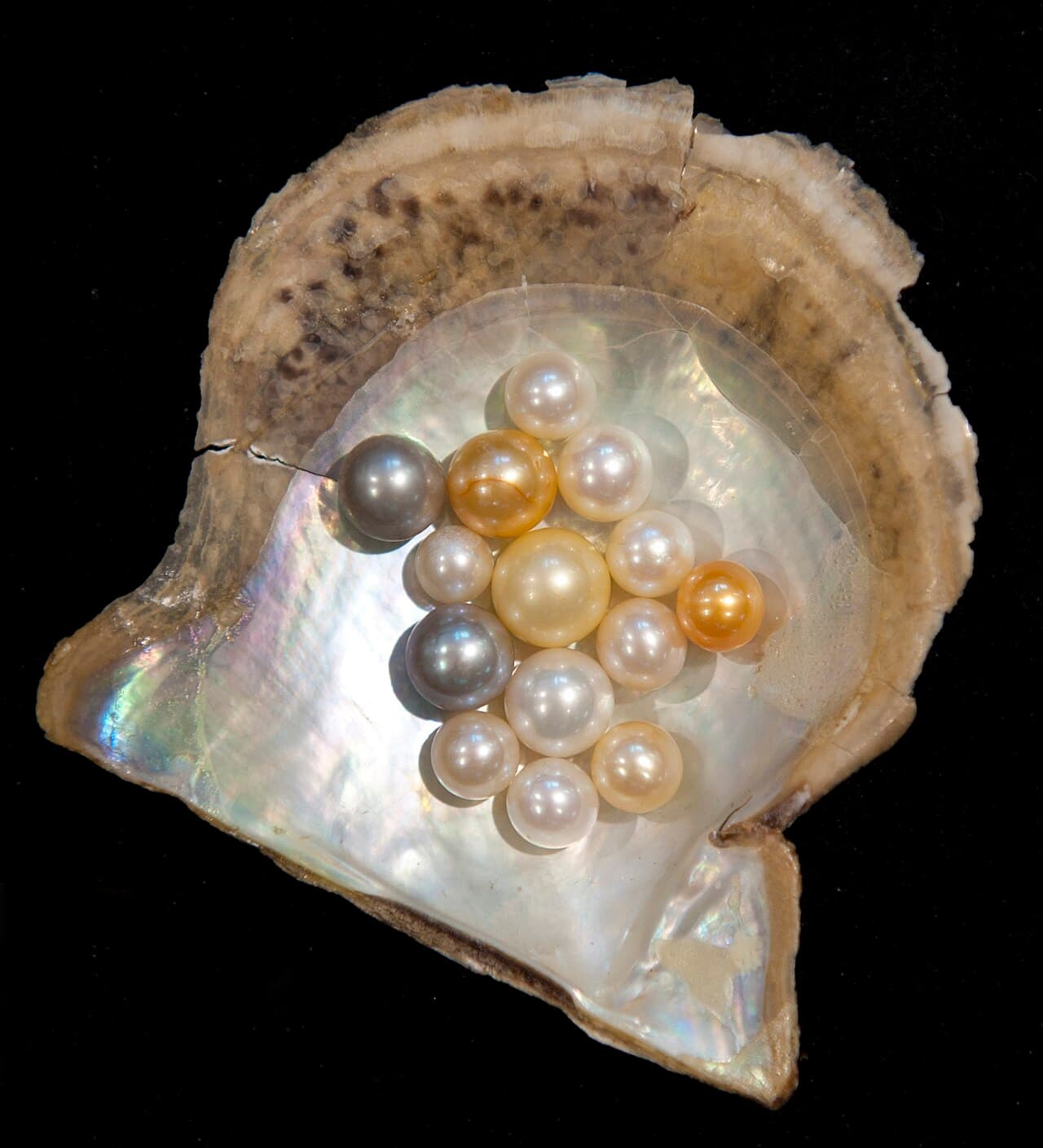
Pearl: Pearl-variety hg
Photo: Hannes Grobe/AWI / Wikimedia Commons, CC BY 3.0

Pearl

Colors
White, cream, pink, silver, gold and dark tones
Mohs hardness
2.5–4.5
Care
Soft: put pearls on last, keep them away from perfume and store them separately.

History & lore

Natural pearls were among history’s most valuable treasures. Cultured pearls, developed in Japan in the early 20th century, made pearls widely available.

Value perspective

Nearly all pearls sold today are cultured. Natural pearls are rare and need a laboratory report. Luster, surface quality, size and matching drive value.

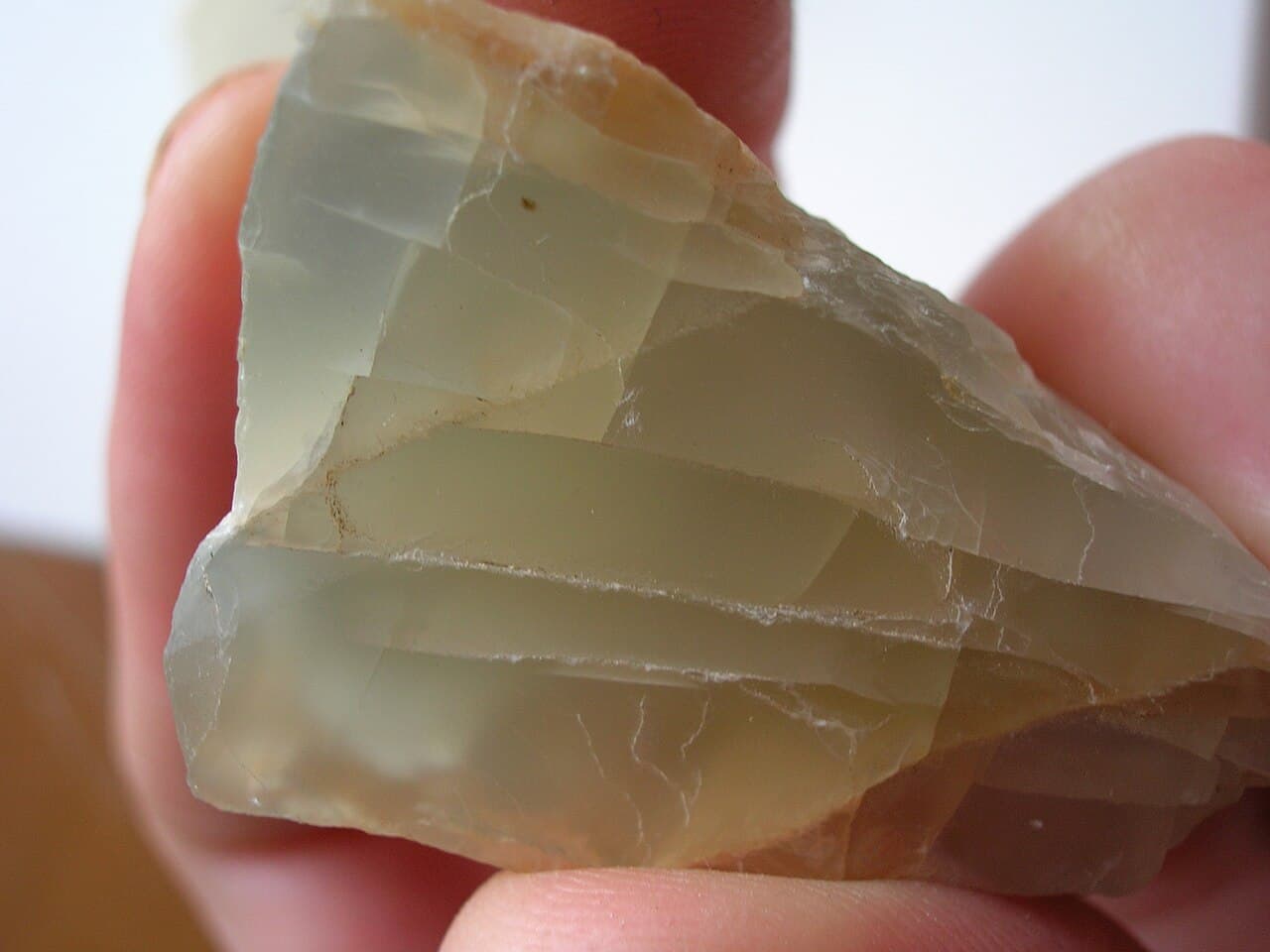
Moonstone: MoonstoneGem
Photo: Meganpru / Wikimedia Commons, CC BY-SA 3.0

Moonstone

Colors
Colorless, white, gray or peach with a floating blue or white sheen
Mohs hardness
6–6.5
Care
Can cleave if struck; best in protective settings.

History & lore

Romans thought moonstone was formed from moonlight, and it was a favourite of Art Nouveau jewelers around 1900.

Value perspective

Most moonstone is affordable. Clear stones with a strong blue sheen are the most valuable.

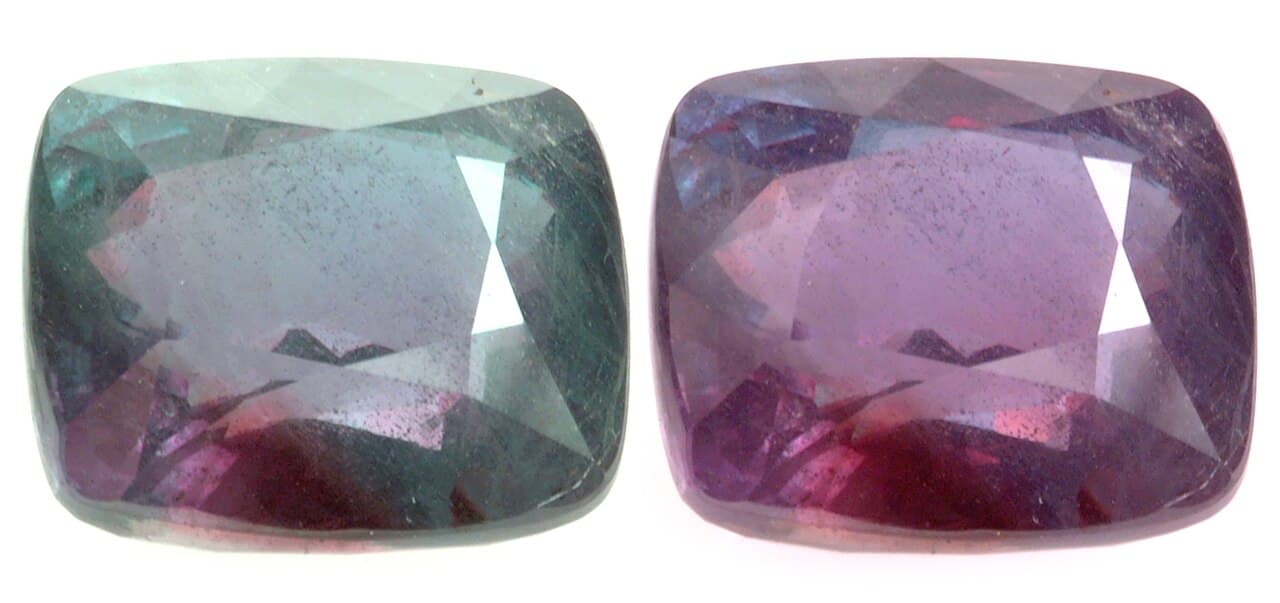
Alexandrite: Alexandrite 26.75cts
Photo: David Weinberg for Alexandrite.net / Wikimedia Commons, CC BY-SA 3.0

Alexandrite

Colors
Green in daylight, red to purplish red under warm indoor light
Mohs hardness
8.5
Care
Durable for everyday wear.

History & lore

Discovered in Russia’s Ural Mountains in the 1830s and named after the future Tsar Alexander II.

Value perspective

Value depends on how strong the color change is. Fine natural alexandrite is rare and expensive, while synthetic alexandrite is common, so a laboratory report is essential.

07

July

Birthstone: Ruby

Source: GIA
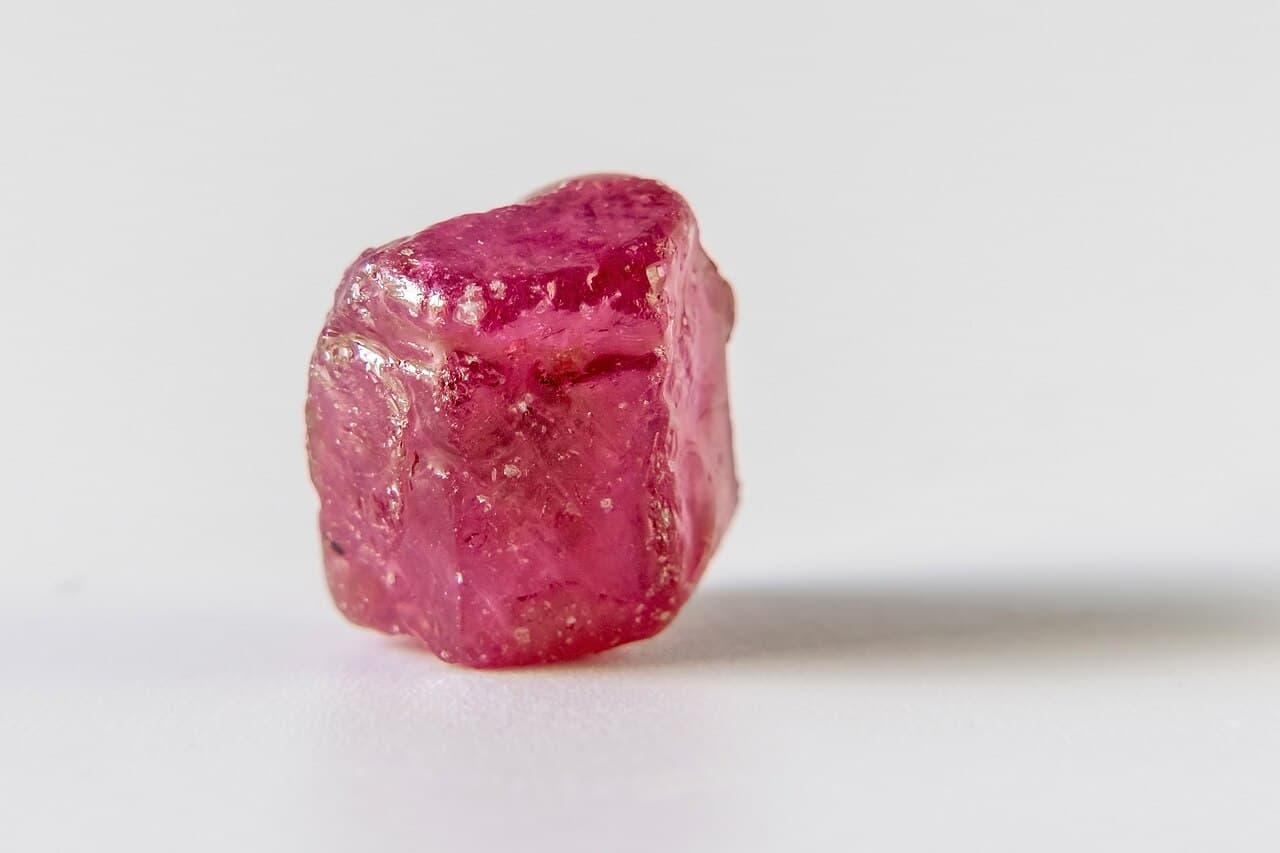
Ruby: Ruby crystal 2
Photo: W.carter / Wikimedia Commons, CC BY 4.0

Ruby

Colors
Pinkish red to deep red
Mohs hardness
9
Care
Very durable; ideal for daily wear.

History & lore

In Sanskrit ruby was called ratnaraj, “king of precious stones”. Myanmar’s Mogok valley has been famous for rubies for centuries.

Value perspective

Color is everything, with rich, saturated red most prized. Most rubies are heated; unheated stones with a documented origin can cost far more. Lead-glass-filled rubies are worth much less and must be disclosed.

08

August

Birthstones: Peridot, Spinel, Sardonyx

Source: GIA
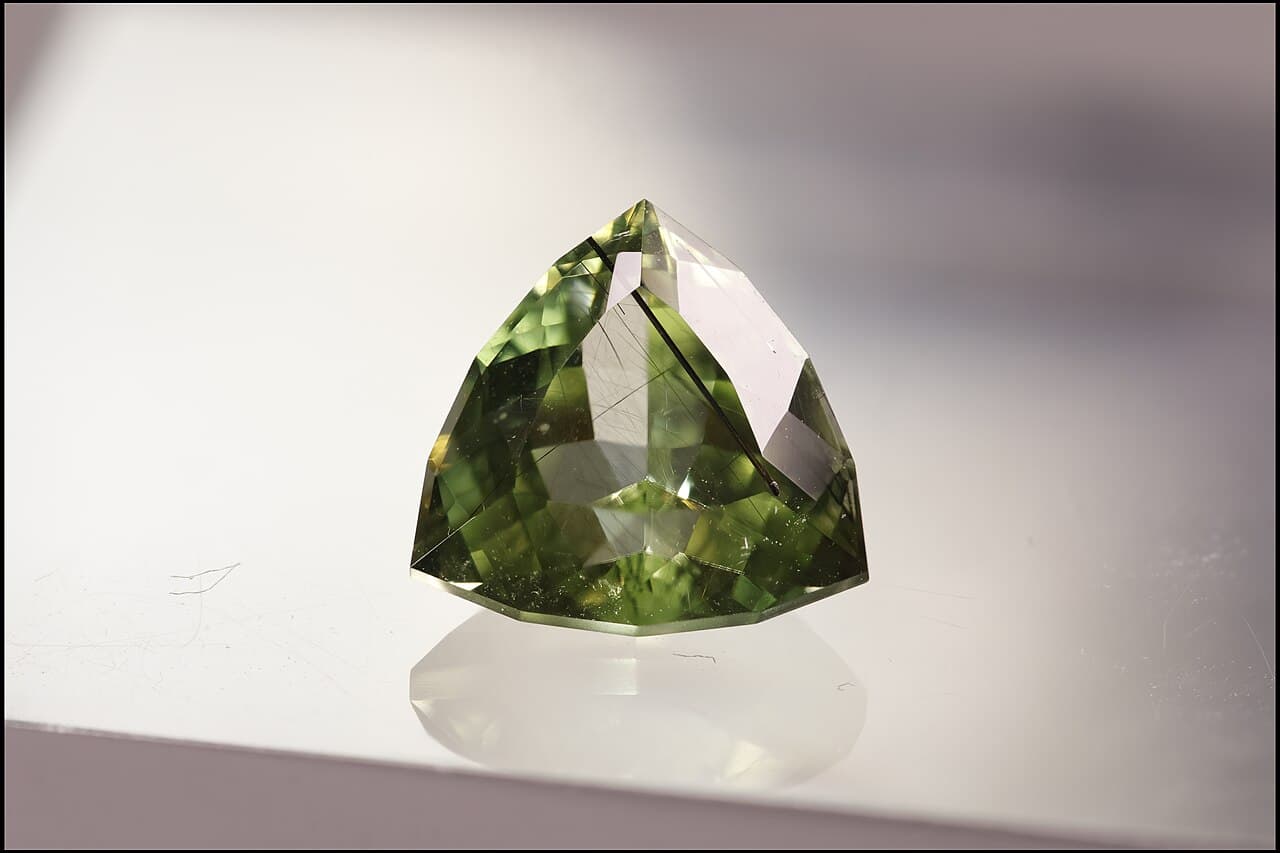
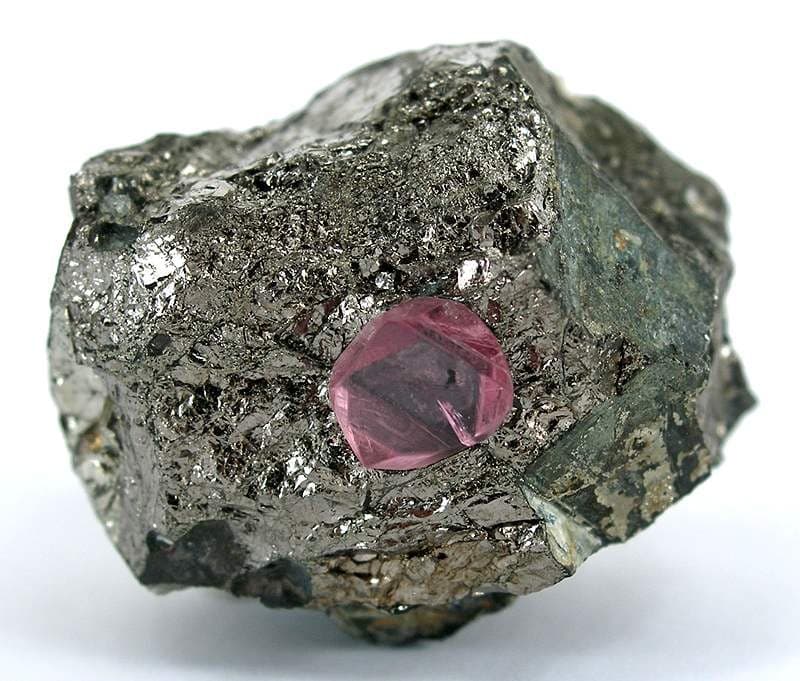
Peridot: Peridot with ludwigite inclusion - faceted gemstone peridot from Pakis
Photo: AdamStejskal / Wikimedia Commons, CC BY 4.0

Peridot

Colors
Yellowish green to olive green
Mohs hardness
6.5–7
Care
Avoid acids and sudden temperature changes.

History & lore

Peridot was mined on the Red Sea island of Zabargad in ancient times, and it has even been found inside meteorites.

Value perspective

Small peridot is inexpensive. Larger, clean stones with rich green and little brown are valued most.

Spinel: Spinel-153496
Photo: Robert M. Lavinsky / Wikimedia Commons, CC BY-SA 3.0

Spinel

Colors
Red, pink, orange, purple, blue and gray
Mohs hardness
8
Care
Durable for everyday wear.

History & lore

For centuries red spinels were mistaken for rubies: the “Black Prince’s Ruby” in the British Imperial State Crown is a spinel. It was added as an August birthstone in 2016.

Value perspective

Collector interest has grown. Bright reds, hot pinks and cobalt blues command the highest prices, and spinel is rarely treated.

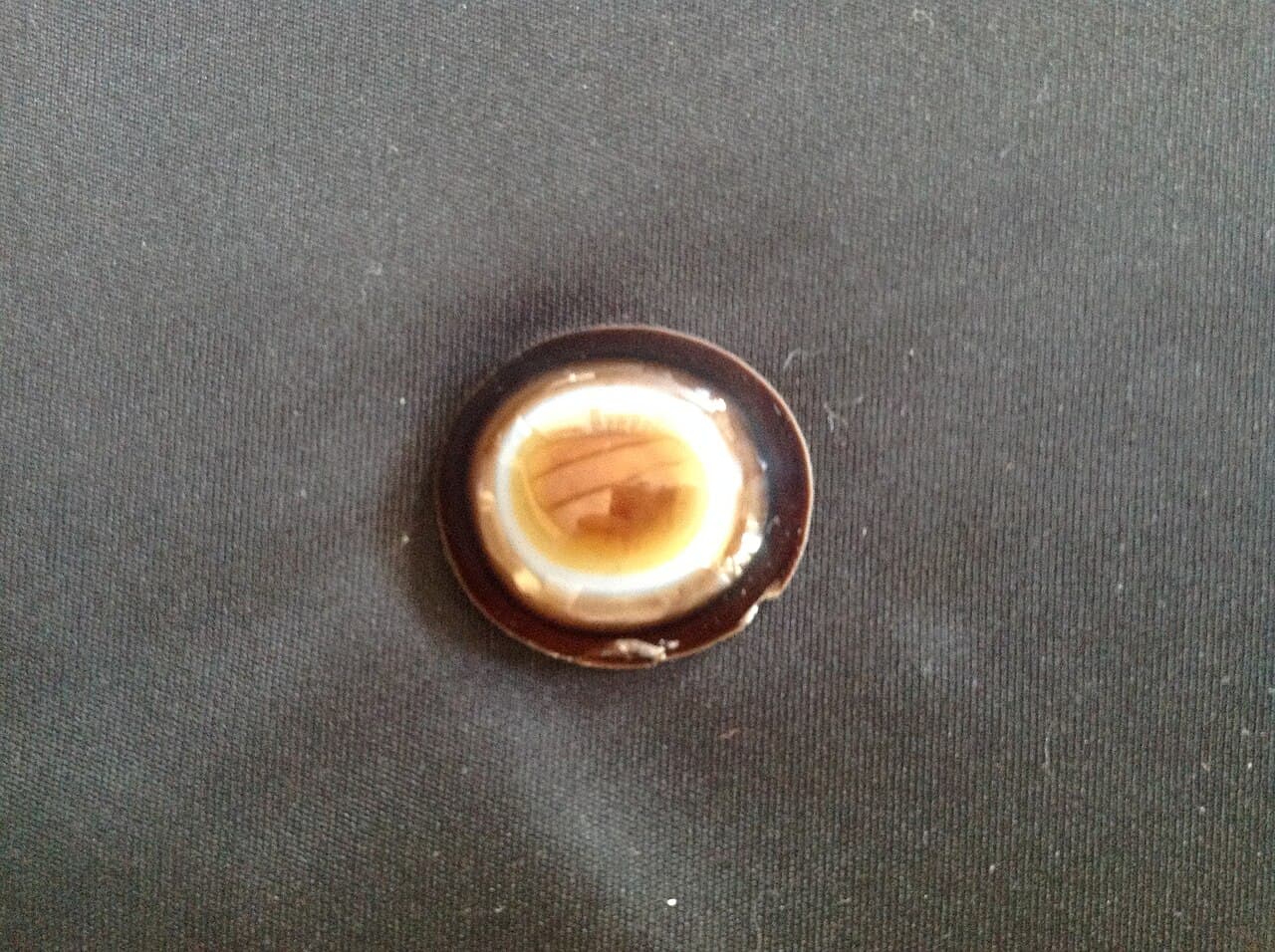
Sardonyx: Sardonyx Top View
Photo: Warclachaja / Wikimedia Commons, CC BY-SA 4.0

Sardonyx

Colors
Bands of reddish brown sard and white chalcedony
Mohs hardness
6.5–7
Care
Durable; clean with warm soapy water.

History & lore

Romans carved sardonyx into seals and cameos, partly because hot wax did not stick to it.

Value perspective

Usually inexpensive; value comes from carving quality and craftsmanship.

09

September

Birthstone: Sapphire

Source: GIA
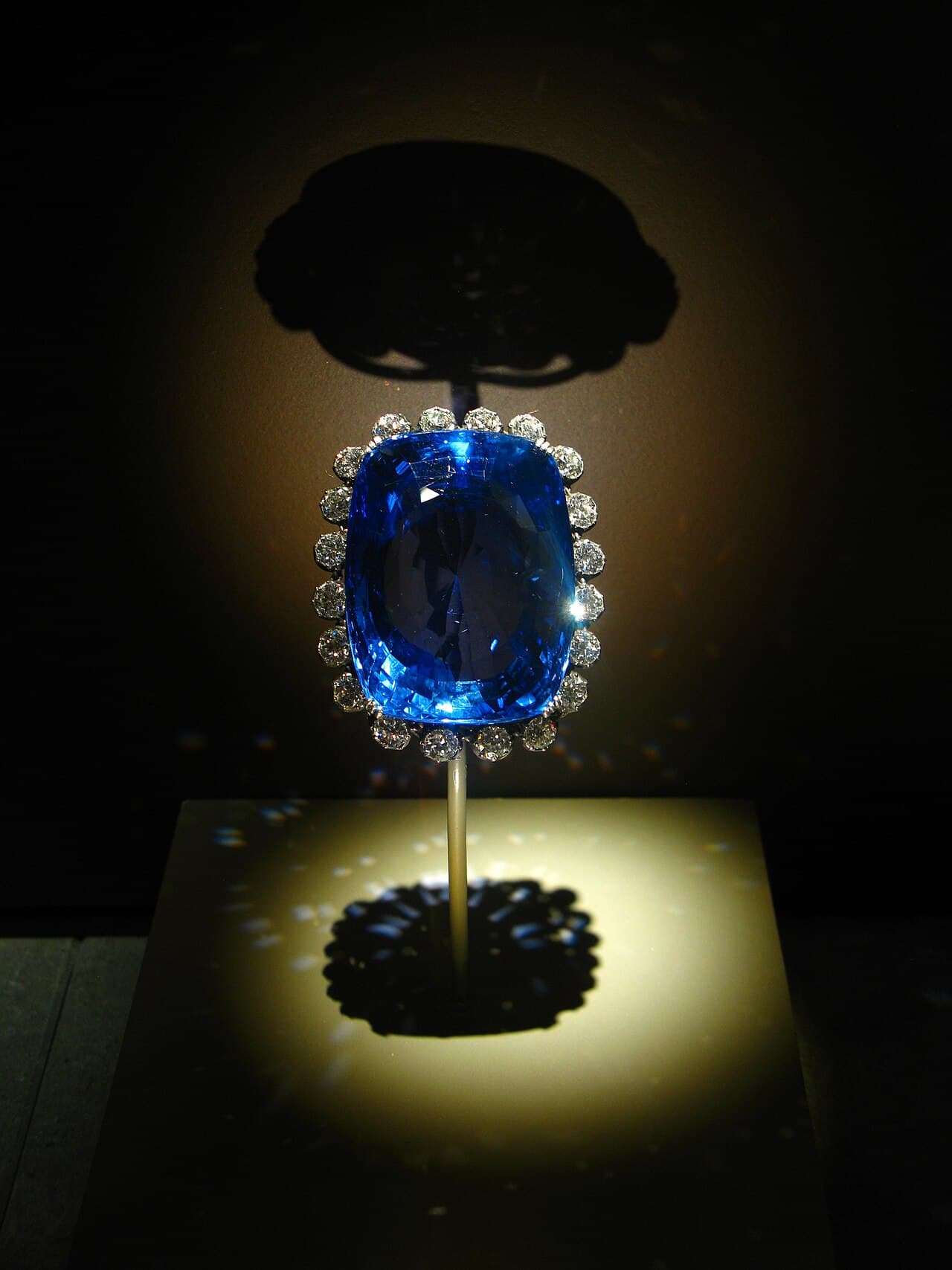
Sapphire: Natural History Museum - Logan Sapphire
Photo: Andrew Bossi from Laurel, MD, / Wikimedia Commons, CC BY-SA 2.0

Sapphire

Colors
Usually blue; also pink, yellow, orange, green and colorless
Mohs hardness
9
Care
Very durable; ideal for daily wear.

History & lore

Sapphire has long been linked with royalty, and Sri Lanka has produced sapphires for more than two thousand years. The Logan Sapphire pictured here is a large Sri Lankan stone in the Smithsonian.

Value perspective

Strong, saturated blue is valued most. Most sapphires are heated; origin, treatment and color, as stated on a laboratory report, strongly affect price.

10

October

Birthstones: Opal, Tourmaline

Source: GIA
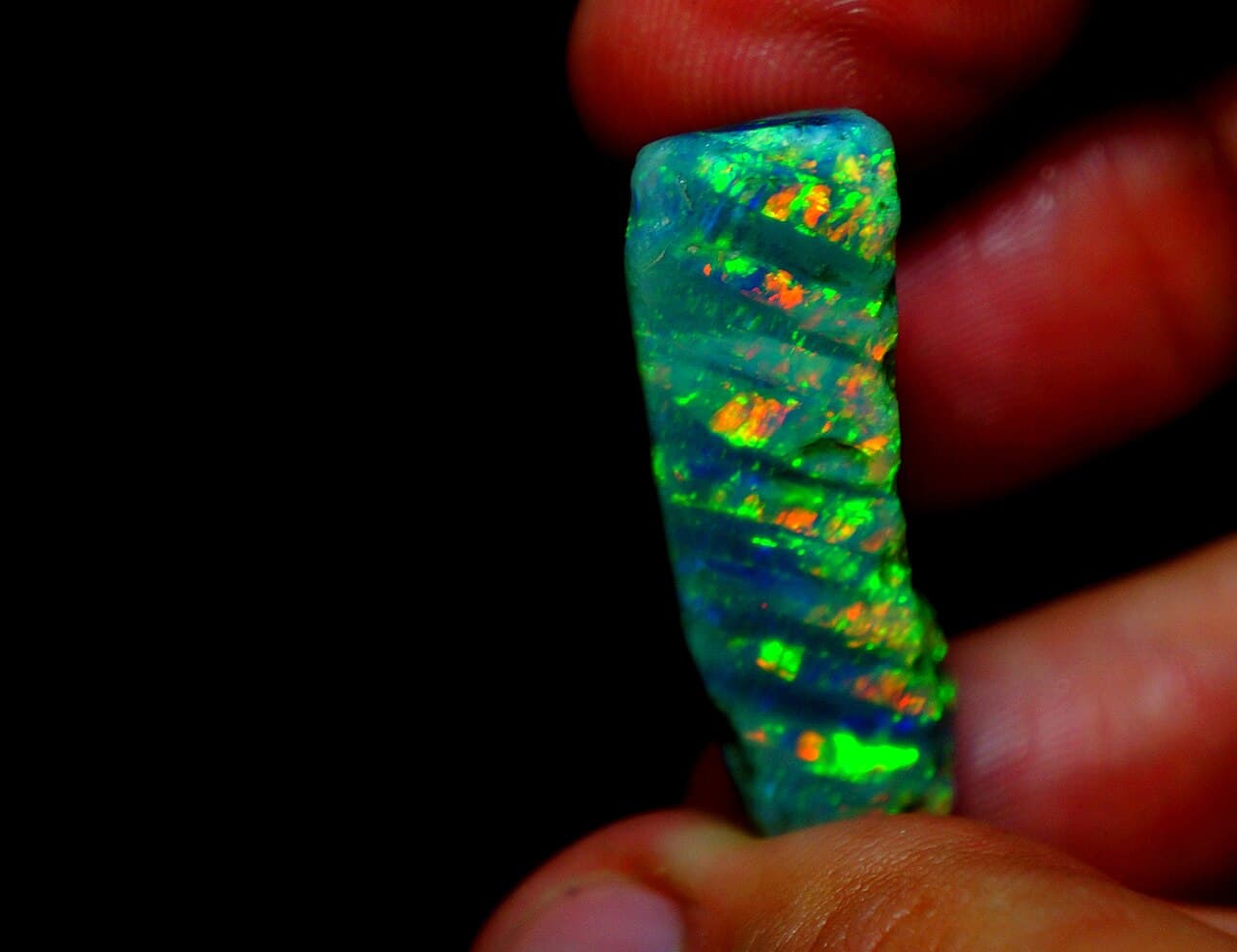
Opal: 58.05ct Lambina Black Opal Rough Gemstone
Photo: Danmekis / Wikimedia Commons, CC BY-SA 3.0

Opal

Colors
White, black, crystal and fire opal with flashing play-of-color
Mohs hardness
5.5–6.5
Care
Softer and sensitive to knocks and dryness; best in protective settings.

History & lore

Romans prized opal as a symbol of hope, and Australia became the leading source after 19th-century discoveries.

Value perspective

Black opal with bright, broad flashes of color is the most valuable. Doublets and triplets, thin slices of opal glued to a backing, are worth far less and must be disclosed.

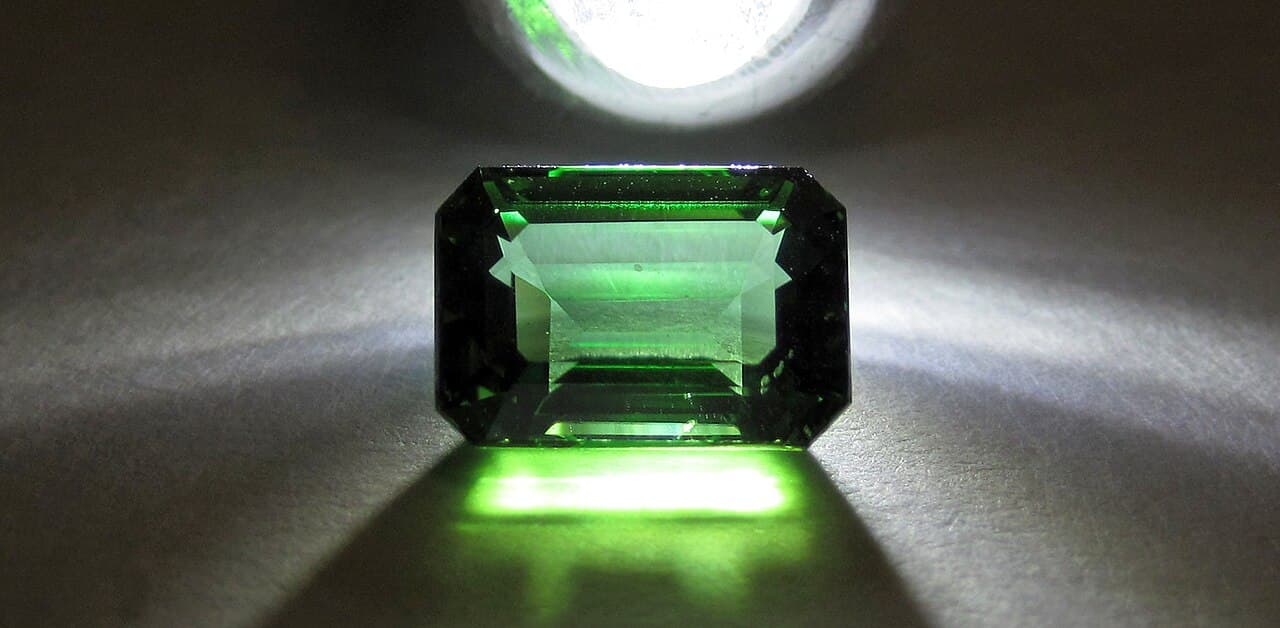
Tourmaline: Faceted chrome tourmaline 3
Photo: James St. John / Wikimedia Commons, CC BY 2.0

Tourmaline

Colors
Almost every color, including pink, green and two-tone “watermelon”
Mohs hardness
7–7.5
Care
Good for most jewelry.

History & lore

The name comes from the Sinhalese word turamali, used for mixed gem pebbles from Sri Lanka.

Value perspective

Neon blue-green Paraíba tourmaline, colored by copper, is the most valuable; many other colors are affordable.

11

November

Birthstones: Topaz, Citrine

Source: GIA
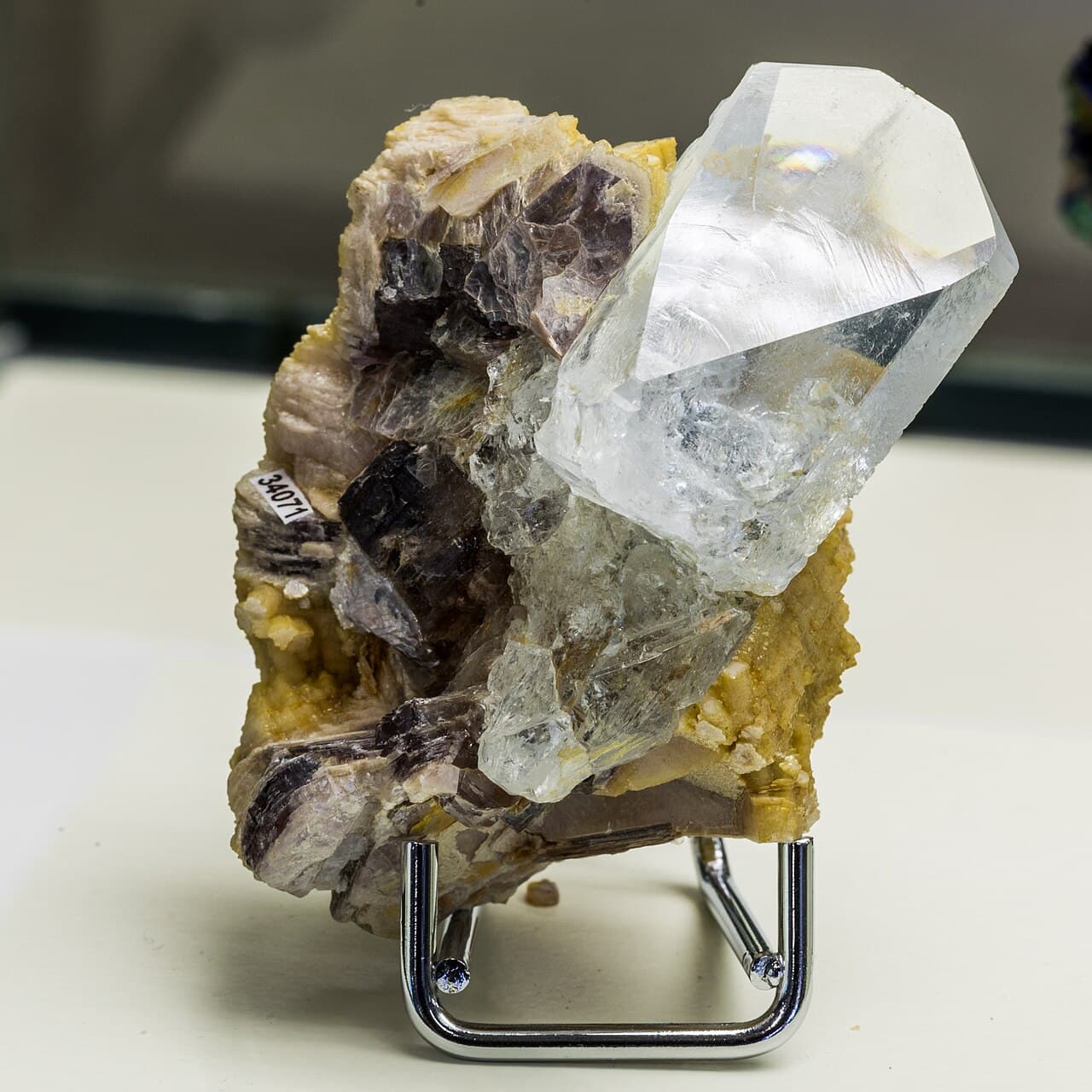
Topaz: Topaz, Virgem de Lapa, Minas Gerais, Brazil-8781
Photo: Raimond Spekking / Wikimedia Commons, CC BY-SA 4.0

Topaz

Colors
Colorless, yellow, orange, pink, and (usually treated) blue
Mohs hardness
8
Care
Hard but can split with a sharp blow.

History & lore

Imperial topaz, a rich orange-pink variety from Brazil, is often linked with Russian royalty.

Value perspective

Most blue topaz is colorless topaz treated with irradiation and heat, and is inexpensive. Natural imperial topaz in rich orange-pink is the most valuable.

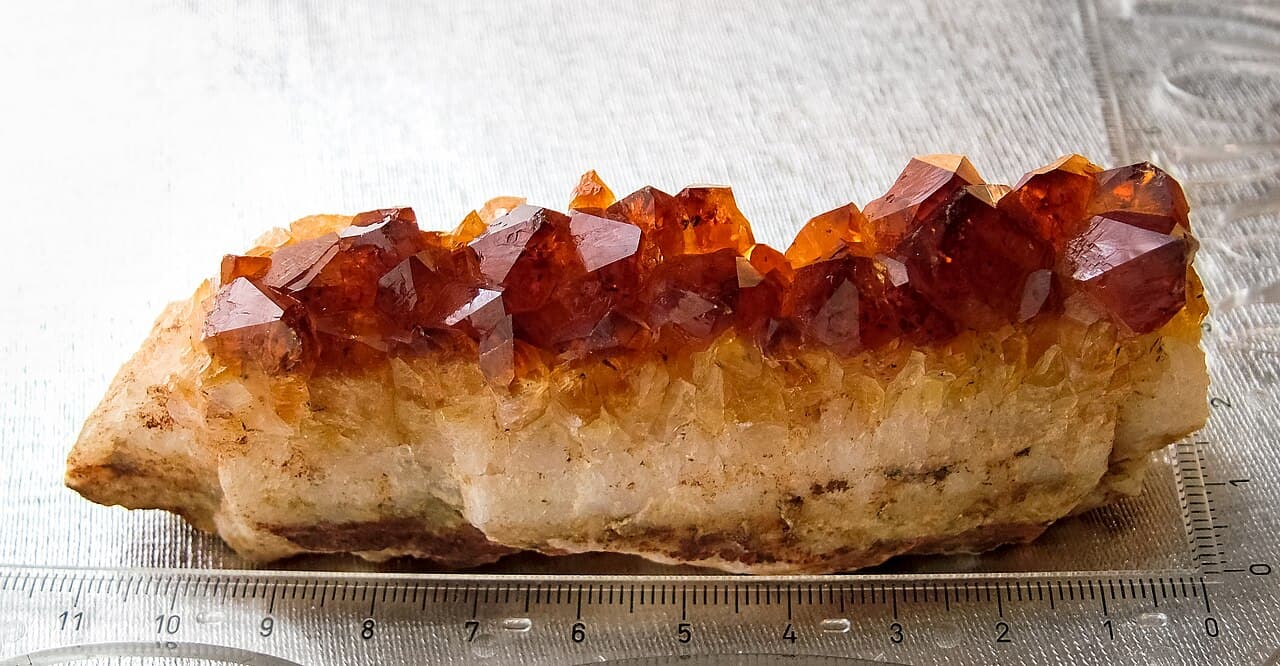
Citrine: Raw citrine crystals 2
Photo: W.carter / Wikimedia Commons, CC BY-SA 4.0

Citrine

Colors
Pale yellow to deep orange-brown
Mohs hardness
7
Care
Durable; long strong sunlight can fade some stones.

History & lore

The name comes from the French citron, lemon. Natural citrine is rare; much citrine on the market is heat-treated amethyst.

Value perspective

Generally affordable; deep reddish-orange stones are worth more.

12

December

Birthstones: Turquoise, Zircon, Tanzanite

Source: GIA
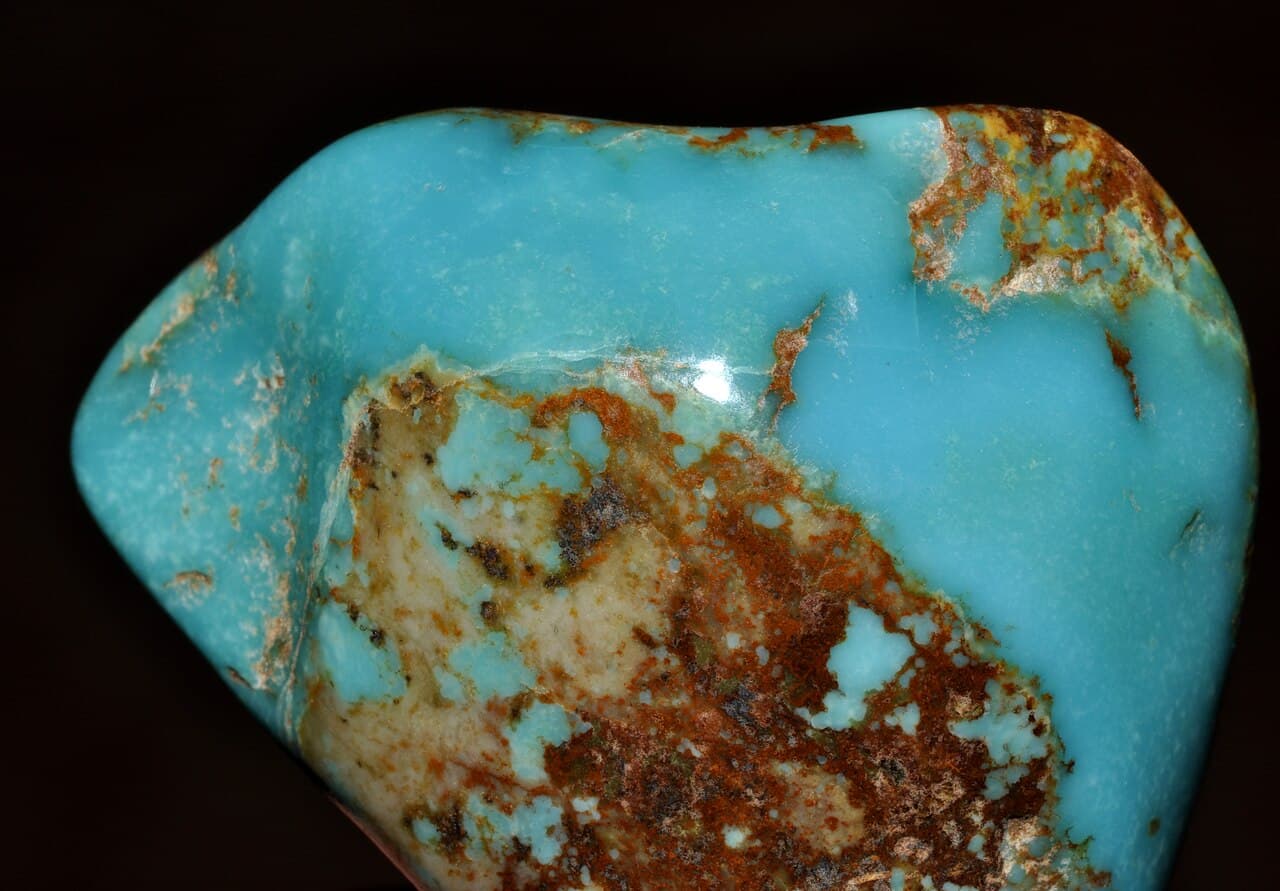
Turquoise: Turquoise polie 1 (USA)
Photo: Parent Géry / Wikimedia Commons, Public domain

Turquoise

Colors
Sky blue to green, often with dark veins called matrix
Mohs hardness
5–6
Care
Porous: keep away from oils, cosmetics and chemicals.

History & lore

Turquoise was mined in Egypt’s Sinai more than 5,000 years ago, and it is central to Native American jewelry traditions in the US Southwest.

Value perspective

Hard, evenly colored sky-blue stones from known mines are valued most. Much turquoise is stabilized with resin, or imitated, so disclosure matters.

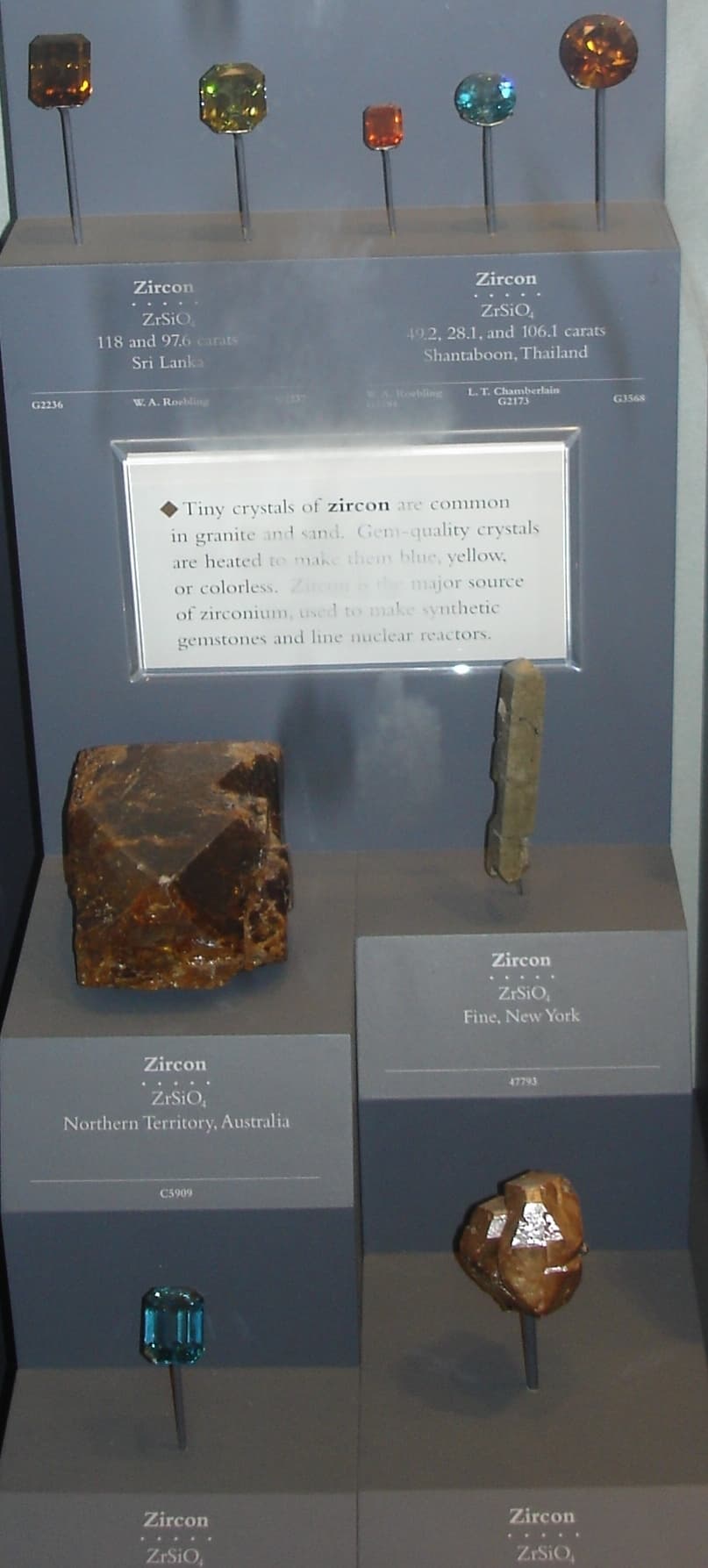
Zircon: National Museum of Natural History Zircon
Photo: Jorfer / Wikimedia Commons, Public domain

Zircon

Colors
Colorless, blue, yellow, orange, red and brown
Mohs hardness
6–7.5
Care
Brilliant but facet edges can chip; store separately.

History & lore

Zircon is one of Earth’s oldest minerals: crystals from Western Australia are more than 4 billion years old. It is not the same as man-made cubic zirconia.

Value perspective

Blue zircon, usually heat treated, is the most popular. It is very brilliant for its price.

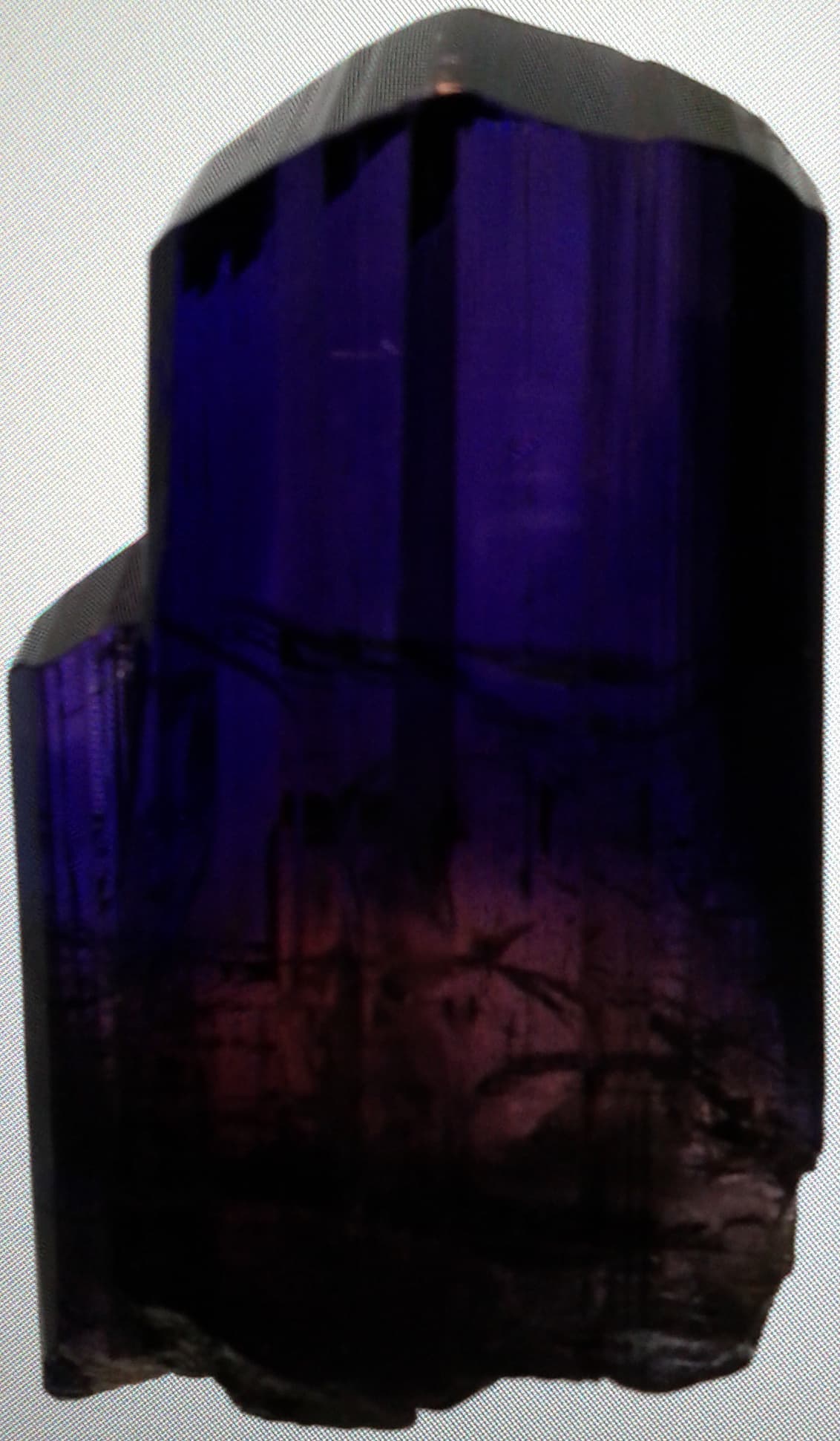
Tanzanite: Trichroic Tanzanite Crystal - violet & burgundy
Photo: Chromalys / Wikimedia Commons, CC BY-SA 3.0

Tanzanite

Colors
Violet-blue; rough crystals can show three colors
Mohs hardness
6–7
Care
Softer; avoid knocks, heat and ultrasonic cleaners.

History & lore

Found in one small area near Mount Kilimanjaro in Tanzania, discovered in 1967 and named by Tiffany & Co.

Value perspective

Nearly all tanzanite is heated to bring out the blue. Deep, saturated violet-blue stones are valued most. Its single source is often mentioned, but prices can still swing.

Where the list comes from

Birthstones have roots in ancient traditions, but the modern list most jewelers use in the United States was set by the National Association of Jewelers in 1912. It has been updated a few times since, adding tanzanite for December in 2002 and spinel for August in 2016. Other countries and traditions use different lists.

Thinking about value?

Birthstones are wonderful gifts, but most are not investments. Prices depend on color, clarity, size, treatment and origin, and resale is usually well below retail. For any significant purchase, ask for a report from an independent gemological laboratory. This guide is education, not financial advice.

Read our disclaimer · See zodiac stones · Buying guides